
Climate Risks, Poverty and Recovery Financing in Focus at CEPA Policy Panel
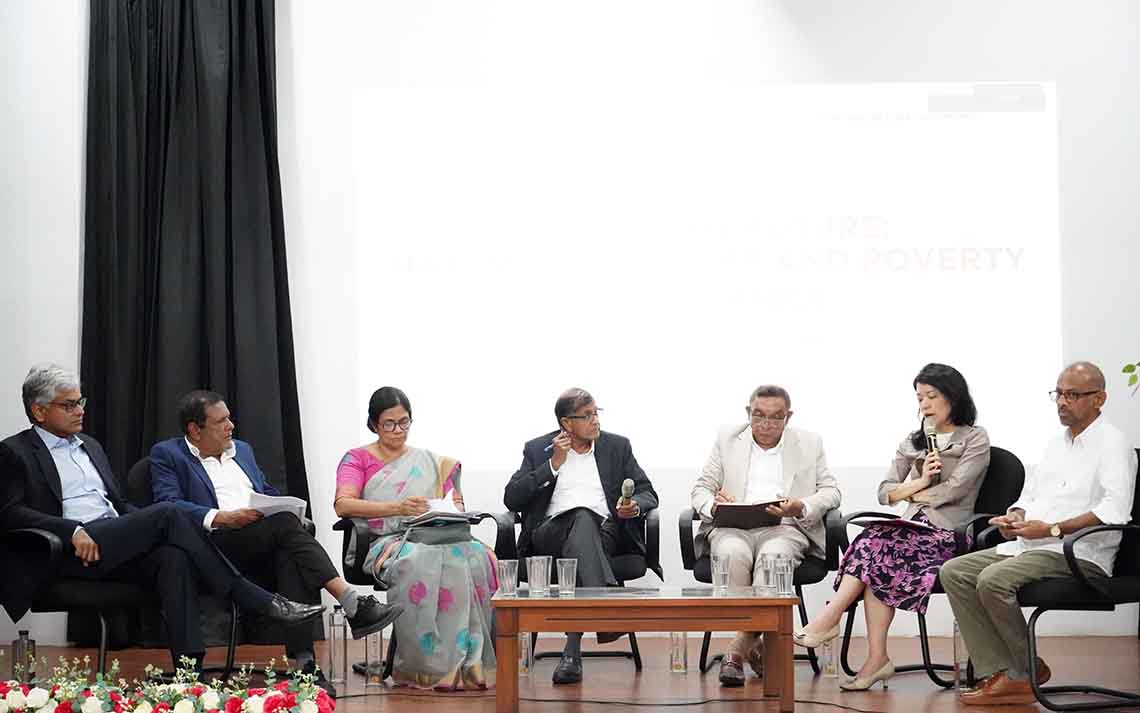
Sri Lanka’s rising exposure to climate-related disasters and their growing implications for poverty, development planning and fiscal sustainability were examined at a high-level policy panel organised by the Centre for Poverty Analysis (CEPA), in collaboration with the Centre for Environmental Studies and Sustainable Development of the Open University of Sri Lanka.
The discussion, titled “Facing the Future: Environmental Disasters and Poverty in Sri Lanka,” was held on 26 January at the Open University of Sri Lanka, Nawala, against the backdrop of Cyclone Ditwah and a series of climate shocks that have intensified vulnerabilities as the country recovers from the 2022 economic crisis.
Addressing post-disaster recovery financing, John Keells Holdings Chairperson and CEO Krishan Balendra said the private sector’s role has been focused on mobilising funds rather than determining reconstruction priorities.
He noted that fiscal discipline maintained since the economic crisis allowed the Government to finance immediate relief without emergency market borrowing.
The Rebuilding Sri Lanka Fund, he said, has so far mobilised over Rs. 8.4 billion from private sector sources, with additional commitments expected as overseas partners complete approval processes.
Several panellists highlighted that Sri Lanka’s disaster risks are being amplified by weaknesses in development planning and institutional coordination.
Prof. Jagath Munasinghe of the University of Moratuwa observed that while Sri Lanka has numerous institutions and plans, the core challenge lies in poor coordination and weak implementation frameworks.
He stressed that the country has repeatedly failed to undertake advance risk and damage assessments despite decades of exposure to floods, landslides, and other disasters, limiting opportunities to genuinely “build back better.”
From an environmental economics perspective, Dr. Herath Gunathilake emphasised that climate-related disasters are scientifically linked to global climate change, even as global governance systems for climate action weaken.
Given Sri Lanka’s limited capacity to influence global emissions outcomes, he argued that national policy must place greater emphasis on adaptation, resilience, and disaster preparedness, while continuing to meet international climate responsibilities.
Concerns were also raised regarding environmental regulation and enforcement. Kusala Mahalekama, Director, Strategic Environmental Assessment at the Central Environmental Authority, pointed to capacity constraints in monitoring compliance with Environmental Impact Assessment (EIA) conditions, particularly in infrastructure, irrigation, and energy projects.
She underscored the importance of expanding Strategic Environmental Assessments (SEA) at national and regional levels to integrate disaster risk reduction into policies, plans, and programmes, allowing for better mapping of vulnerable ecosystems and communities.
Linking environmental vulnerability with long-standing development challenges, CEPA Executive Director Prof. Sirimal Abeyratne noted that Sri Lanka’s limited urbanisation and industrialisation have resulted in nearly 78.5% of the population living in rural areas, often in environmentally fragile locations such as riverbanks, coastal belts, and landslide-prone zones.
He stressed that disaster mitigation should focus on reducing people’s exposure to risk through better spatial planning, urban development, and livelihood diversification, rather than attempting to prevent natural events themselves.
Delivering opening remarks, UNDP Resident Representative Azusa Kubota highlighted the importance of nationally led assessment and recovery frameworks.
She explained that different post-disaster assessment tools serve distinct purposes and should not be directly compared.
Sri Lanka’s Post-Disaster Needs Assessment (PDNA) led by the Disaster Management Centre and Ministry of Finance, she said, represents the most comprehensive national instrument to guide emergency financing, recovery planning, and a coordinated “Building Back Better” approach based on hazard-informed planning and stronger institutional collaboration.
The discussion was moderated by Dr. Ganeshan Wignaraja, Senior Advisor at CEPA and Visiting Fellow at ODI, UK. Participants agreed that without deeper integration of disaster risk reduction into development planning, climate shocks could undermine recovery gains and place renewed pressure on public finances and livelihoods.
Latest Posts












Video
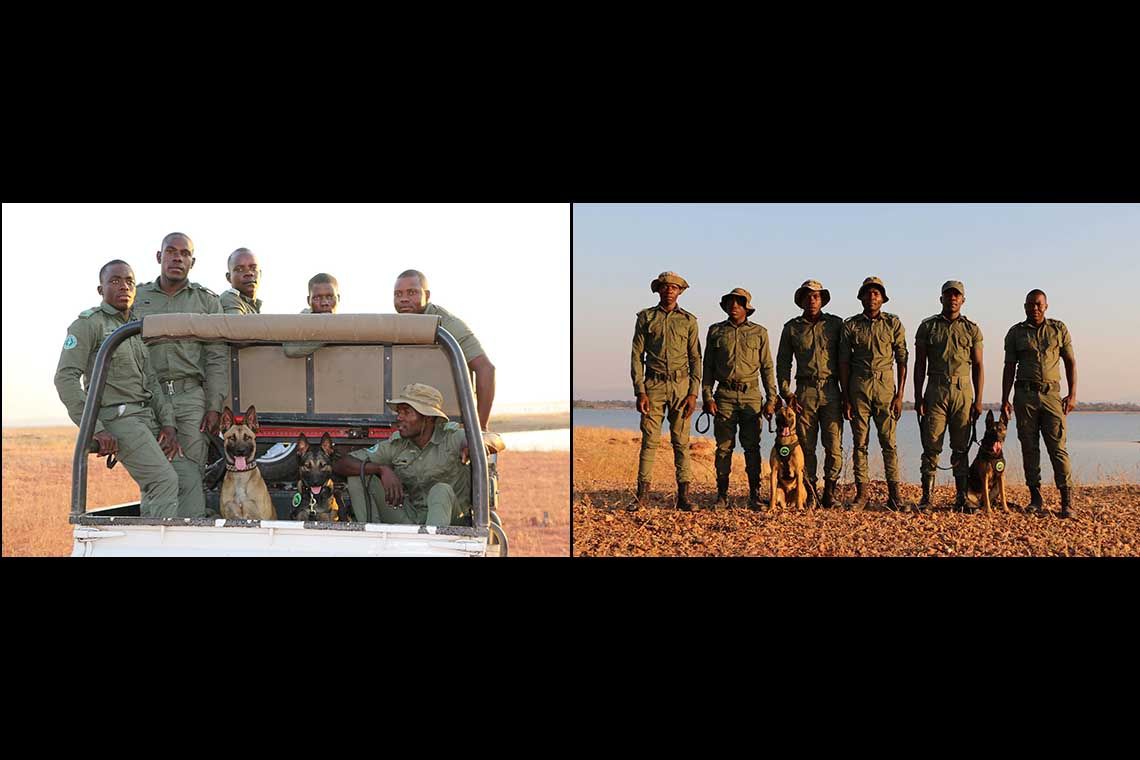
K9 unit flown by Emirates SkyCargo to Zimbabwe begins frontline operations
Vega and Kuda, two specialist conservation dogs, transported by Emirates SkyCargo from London to Harare via Dubai in partnership with UK charity Dogs 4 Wildlife, have arrived safely and acclimatise