
"I'm Fine" Isn't Always Fine : The Doc on the Tok Encouraging Men to Talk About Their Mental Health
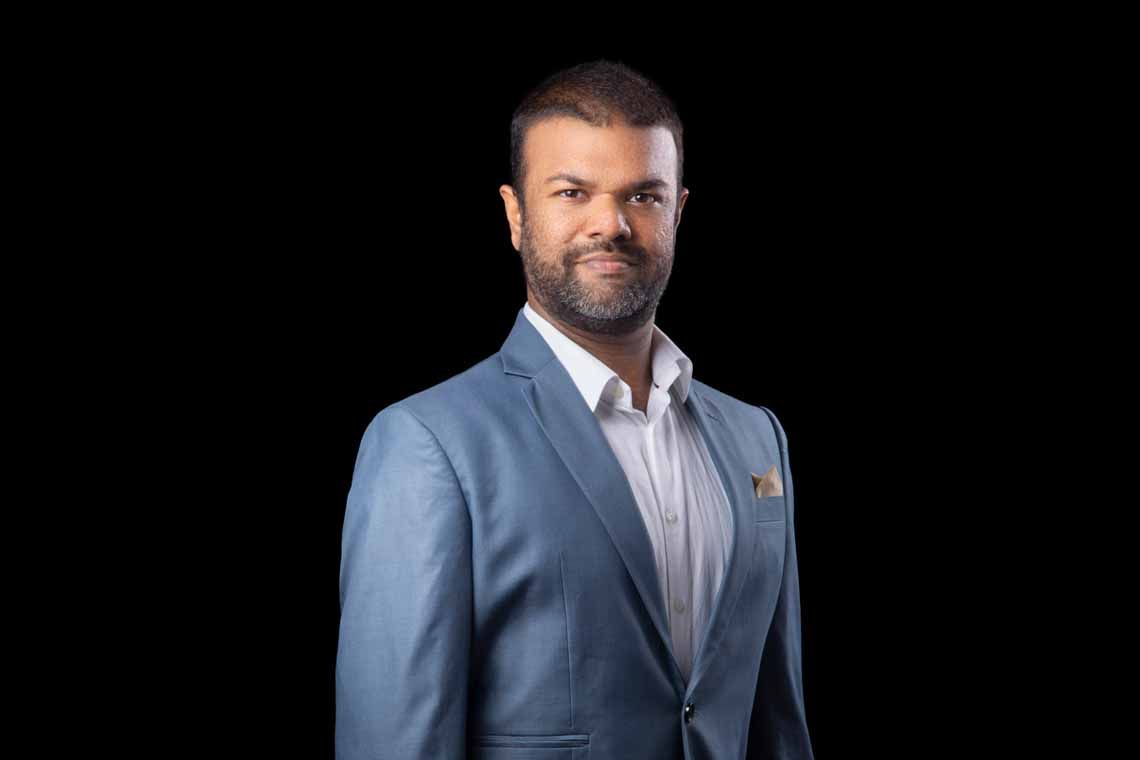
There are few phrases more commonly used by men than two simple words : "I'm fine."
It is the response given when stress builds, responsibilities pile up and personal wellbeing slips down the list of priorities.
Yet behind those words often lie exhaustion, burnout, anxiety, loneliness or health concerns that remain unspoken for far longer than they should.
As Men's Health Week shines a spotlight on the wellbeing of men and boys around the world, one Sri Lankan doctor believes it is time to challenge the culture of silence surrounding men's health, particularly mental health.
Known to thousands across TikTok as "the Doc on the Tok," Dr. Suneth Rajawasan has built a growing following by making health information easier to understand while encouraging conversations many people still struggle to have.
Having worked in medicine since 2009, Dr. Suneth serves as a GP educator and examiner for both the College of General Practitioners of Sri Lanka and the Royal College of General Practitioners in the United Kingdom.
Recognising that health information online was often either too technical or misleading, he turned to TikTok to bridge the gap between medical expertise and public understanding.
What began as an effort to simplify medical information soon evolved into conversations around stress, burnout, emotional wellbeing and the challenges many men face when it comes to seeking help.
Today, his content reaches thousands of viewers who turn to social media not only for entertainment, but increasingly for education, information and support.
Why Men Stay Silent
Ask Dr. Suneth what concerns him most about men's health today and his answer arrives with both humour and honesty.
"One of the biggest problems is that many men treat their bodies like an old Toyota : keep driving until something falls off, then hope it somehow fixes itself."
Beneath the joke lies a reality familiar to many families.
Too often, symptoms are ignored, health checks are postponed, stress is dismissed and exhaustion becomes normalised.
Men frequently continue carrying physical and emotional burdens while convincing themselves that pushing through is the responsible thing to do.
While lifestyle-related illnesses such as diabetes, hypertension, obesity and heart disease remain significant concerns, mental health challenges often stay hidden behind routines, responsibilities and carefully maintained appearances.
"Many men have been taught that strength means silence.
They feel pressure to provide, solve problems and stay composed, but rarely feel comfortable saying, 'Actually, I'm struggling.'"
Despite growing awareness around mental health, many men continue to struggle with expressing vulnerability.
The expectation to remain strong, capable and emotionally controlled often leaves little room for honesty when life becomes overwhelming.
"I think society often mistakes emotional control for emotional suppression. They're not the same thing."
The result is that many men carry stress, anxiety, burnout and grief privately, believing that seeking support somehow reflects weakness.
"Mental health isn't about becoming emotionally fragile.
It's about recognising that stress, anxiety, burnout and depression are health issues, not character flaws."
How TikTok Is Opening the Conversation
Traditionally, health education has existed within clinics, hospitals and classrooms.
While these settings remain important, they are not always where people first encounter information about their health.
For Dr. Suneth, TikTok has transformed health education into an ongoing dialogue.
"Instead of standing at a podium talking to people, you're having thousands of tiny conversations every day."
That accessibility has helped reshape how health information is shared and consumed.
Rather than requiring people to actively seek out information, educational content can appear naturally within their daily digital experiences, making important conversations more accessible to wider audiences.
For healthcare professionals like Dr. Suneth, this creates an opportunity to reach people who may never have engaged with health education through traditional channels.
Through comments, questions and audience interactions, creators gain direct insight into the concerns, misconceptions and challenges people face in their everyday lives.
Beyond individual creators, TikTok has become home to broader conversations around wellbeing and mental health.
Communities forming around hashtags such as #MentalHealthAwareness, #MensMentalHealth, and #Wellbeing have helped create spaces where users share experiences, discuss challenges and engage with wellbeing-focused content in ways that feel accessible and relatable.
This is particularly important when it comes to men's mental health.
For many men, opening up about stress, burnout, anxiety or emotional struggles can feel uncomfortable.
Seeing others share their experiences, hearing expert voices and engaging with supportive communities can help normalise these conversations and reduce feelings of isolation.
Through its Mental Health Education Fund, TikTok works with trusted health organisations and experts around the world to create evidence-based mental health content and improve access to reliable resources.
The platform has also introduced wellbeing-focused features including guided meditation experiences through Sleep Hours, screen-time management tools, wellbeing resources and support information for users seeking help related to mental health and emotional wellbeing.
While no digital platform can replace professional healthcare or therapy, accessible resources and educational content can play an important role in reducing stigma, encouraging awareness and helping individuals take the first step towards seeking support.
More Than a Health Check
For all the views, followers and engagement metrics that accompany content creation, the moments that remain most meaningful to Dr. Suneth are often the simplest.
"The most rewarding moments are when someone says, 'I finally got my sugar checked because of your video,' or 'I convinced my father to see a doctor.'"
While these may seem like small actions, they represent something far more significant: people taking ownership of their health.
For Dr. Suneth, changing attitudes towards men's mental health may be just as important as treating physical illness.
"Your family doesn't just need you alive…they need you healthy." That health includes both the physical and the mental. It means recognising when something feels wrong, speaking honestly about it and seeking support when needed.
As Men's Health Week reminds us, strength is not found in suffering silently. Sometimes, the strongest thing a person can do is admit they are struggling and start a conversation.
For creators like the Doc on the Tok, that possibility is precisely why these conversations matter.
Every video, comment and shared experience has the potential to encourage someone to schedule a health check, seek support or start a conversation they may have been avoiding for years.
As Men's Health Week reminds us, those conversations have never been more important.
And increasingly, platforms like TikTok are helping ensure they happen more openly, more accessibly and more frequently than ever before.
Latest Posts












Video

K9 unit flown by Emirates SkyCargo to Zimbabwe begins frontline operations
Vega and Kuda, two specialist conservation dogs, transported by Emirates SkyCargo from London to Harare via Dubai in partnership with UK charity Dogs 4 Wildlife, have arrived safely and acclimatise