Duckworth–Lewis–Stern Custodian Prof. Steven Stern Engages Sri Lanka in Special Forum on Cricket and Analytics
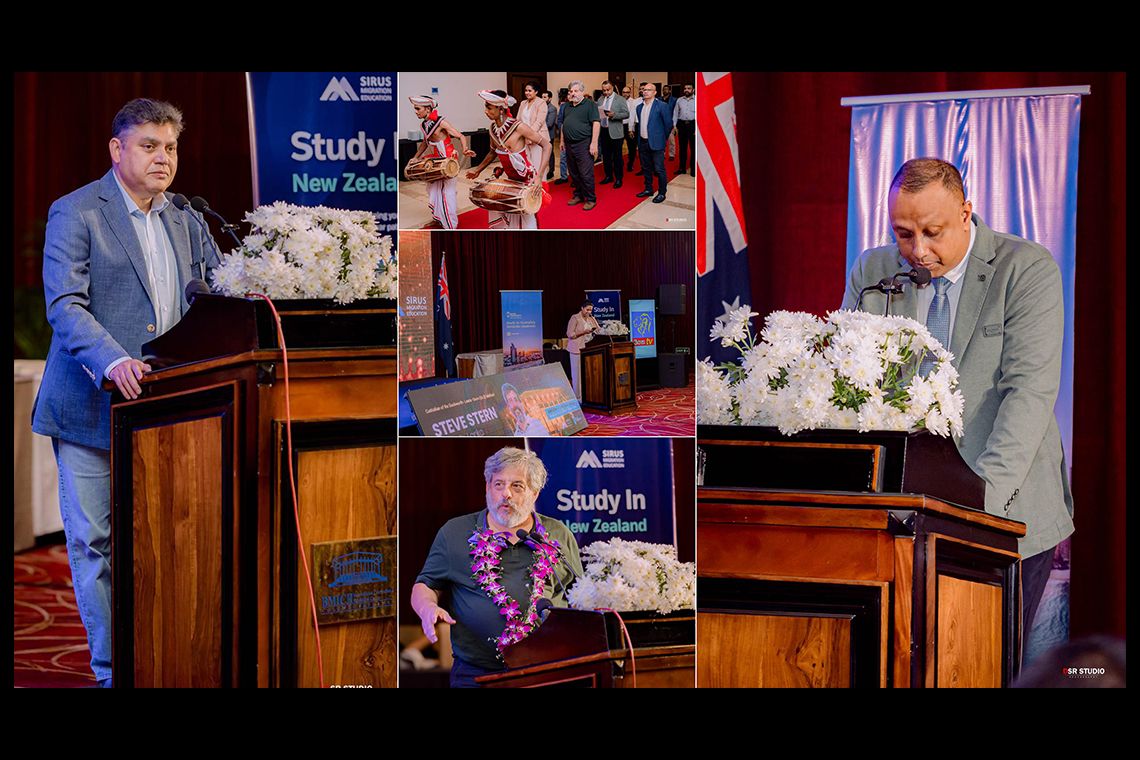
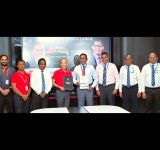
Sri Lanka’s cricketing and academic communities recently came together for a unique knowledge-sharing experience as world-renowned statistician and custodian of the Duckworth–Lewis–Stern (DLS) Method, Steven Stern, addressed an engaged audience at a special forum held at the BMICH in Colombo.
Organized by Sirus Migration and Education in collaboration with Bond University, the event brought together students, sports enthusiasts, academics, and professionals to explore the science behind one of the most discussed systems in modern cricket.
During the session at the BMICH, Prof. Stern shared insights into the principles behind the DLS method and its global significance in limited-overs cricket.
The system, administered by the International Cricket Council, is used worldwide to determine revised targets in rain-affected matches and remains one of the most analysed aspects of modern cricket.
His presentation explored the mathematical foundations of cricket modelling, explaining how statistical principles are applied to develop fair rain-rule calculations.
Prof. Stern also discussed the extended applications of the DLS framework, the underlying logic used to measure a team’s available resources during interruptions, and some of the unintended consequences that statistical models can produce in complex sporting scenarios.
The DLS method calculates fair target scores for the team batting second when the number of overs is reduced due to interruptions such as weather or other delays.
The method quantifies the ‘resources’ available to a batting team based on the overs remaining and the number of wickets in hand.
It then uses this resource profile to adjust a target so that both teams have an equitable opportunity to win despite lost playing time.
Beyond cricket, the sessions explored the broader world of data-driven decision-making.
Prof. Stern spoke about how statistical skills are increasingly valued across global industries and professions, particularly in fields such as analytics, actuarial science, and data science.
Speaking about the initiative, a representative from Sirus Migration stated,
“Our objective was to demonstrate how mathematics, statistics, and analytics can open doors to global career pathways.
By bringing Prof. Stern to Sri Lanka, we wanted to inspire students and professionals to see the real-world power of analytical thinking while strengthening international academic collaborations.”
Through initiatives such as this national academic series, Sirus Migration continues to position itself as more than a migration and education consultancy.
By facilitating meaningful engagement with global experts and institutions, the organization aims to support knowledge exchange, professional development, and international education opportunities for Sri Lankan students.
Latest Posts









Video

K9 unit flown by Emirates SkyCargo to Zimbabwe begins frontline operations
Vega and Kuda, two specialist conservation dogs, transported by Emirates SkyCargo from London to Harare via Dubai in partnership with UK charity Dogs 4 Wildlife, have arrived safely and acclimatise