
Sparking Action to Ignite Change : British Council Youth Climate Ambassadors showcase 24 projects to alleviate climate change at ‘The Climate Spark’
Can young people be effective advocates for the climate?
The British Council in Sri Lanka’s longstanding commitment to youth climate action has yielded the data to demonstrate their impact.
Over the last three years alone, the organisation has engaged 770 young people across 114 climate action projects.
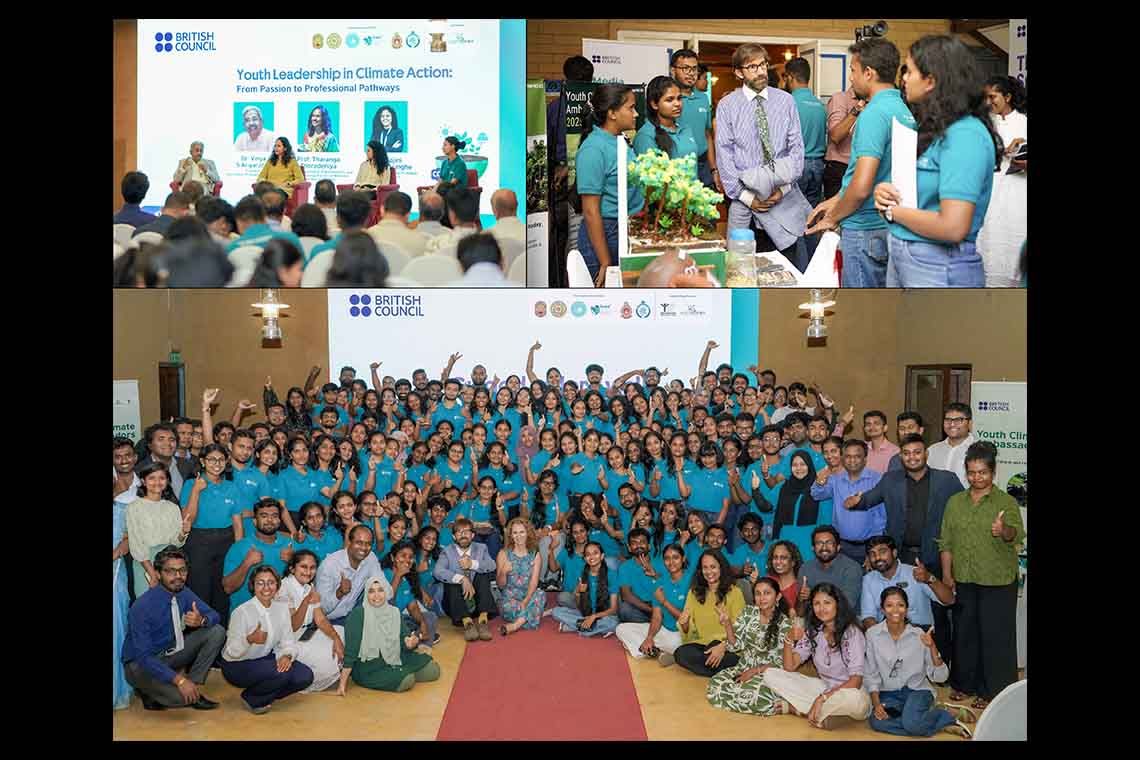
Participants in its latest programme- University Youth Climate Ambassadors (YCA)- recently showcased their projects at ‘The Climate Spark: Connecting Stories for Change’ held at BMICH on 19th March 2026.
The latest YCA programme, launched in August 2025, engaged 204 undergraduate-level students and their peers in six universities; University of Sri Jayawardenepura, University of Jaffna, the Open University of Sri Lanka, Ocean University, NSBM Green University and the University of Ruhuna.
At ‘The Climate Spark’, Youth Climate Ambassadors mingled with representatives from government, non-profits and the private sector invited by British Council as well as counterparts from other universities.
They shared stories from their project implementation, showcased early results, and built professional connections to continue their climate journeys beyond the programme.
Through the programme, these youth received practical training on climate action, project management, networking, leadership, and more delivered by British Council facilitators.
Following the workshops 154 youth -working in groups- implemented 24 climate action projects across Sri Lanka between November 2025 and March 2026.
They were supported by 38 mentors as well as YCA implementation partners EarthLanka Youth Network and the Sevanatha Urban Resource Center.
The projects highlight the many ways in which citizens can take their own meaningful steps to address the causes and impact of climate change.
For example, two groups from the Open University and University of Ruhuna tackled food waste from their faculty canteens; transforming organic waste into bio gas and high-protein poultry feed respectively.
Three groups from the University of Jaffna and Ocean University studied seagrass meadows, raising community awareness about the critical role they play in alleviating climate change.
Another team innovation from Ocean University was a new ecosystem engineering model for wetland conservation, while two teams from the Ocean University and the University of Ruhuna calculated the carbon footprint within their faculties; implementing measures to reduce or offset the footprint.
In Colombo, students from the University of Sri Jayawardenepura released a comprehensive Volunteer Guide grounded in psycho-socially sensitive approaches for young people engaged in climate-induced disasters, while a group from NSBM Green University produced a short film highlighting how climate change lies at the heart of the human-elephant conflict.
“We are deeply heartened by what our Youth Climate Ambassadors have achieved in such a short span of time,” said Orlando Edwards- Country Director for British Council Sri Lanka.
“Through their projects, they engaged over 1500 community members, creating sustainable initiatives that will continue to have an impact beyond this programme.
We celebrate this achievement alongside our incredible university partners and the extensive network of government agencies, non-profits, and private sector that supported this effort.”
‘The Climate Spark’ began with opening remarks by Mr Edwards and included an address on the UK Climate Outlook by Theresa O’Mahony- Deputy High Commissioner at the British High Commission.
The audience also participated in an interactive panel discussion featuring Dr Vinya Ariyaratne (President, Sarvodaya Shramadana Movement), Professor Tharanga Thoradeniya (Department of Biochemistry and Molecular Biology, Faculty of Medicine, University of Colombo) and Sajini Wickramasinghe (lawyer, researcher and climate negotiator).
The panel took questions directly from Youth Climate Ambassadors, covering topics such as digital activism, engaging policymakers and mobilising communities.
Latest Posts











Video
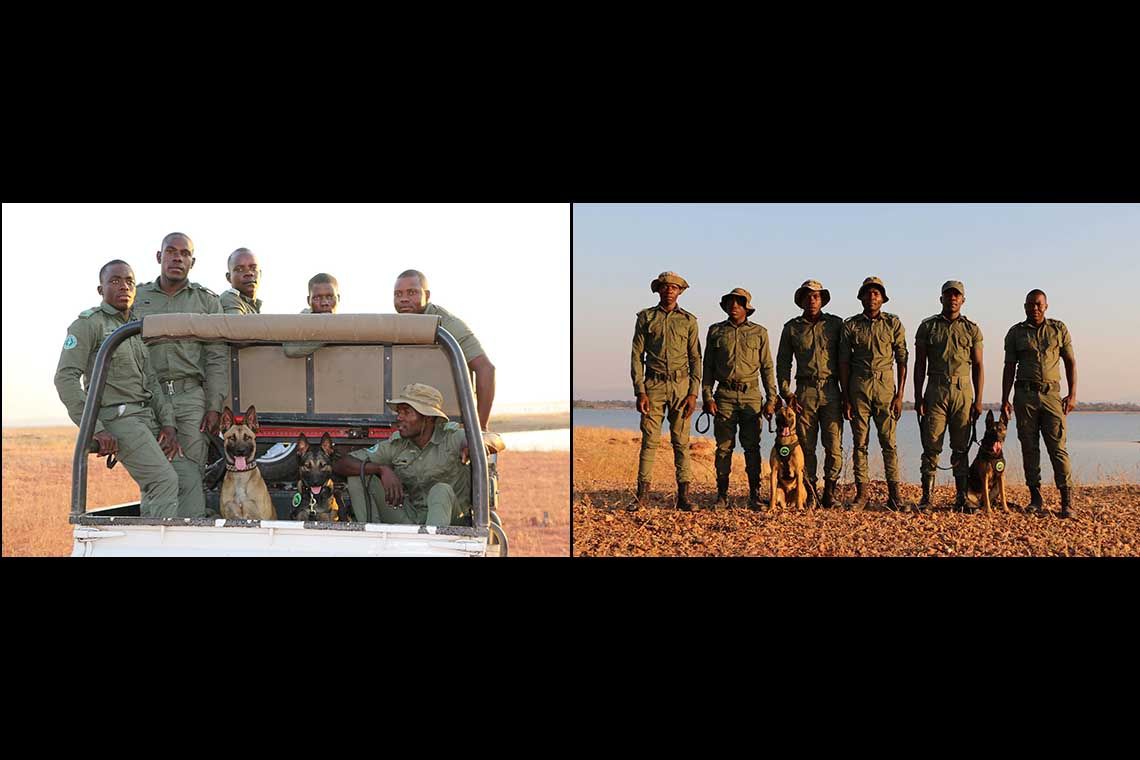
K9 unit flown by Emirates SkyCargo to Zimbabwe begins frontline operations
Vega and Kuda, two specialist conservation dogs, transported by Emirates SkyCargo from London to Harare via Dubai in partnership with UK charity Dogs 4 Wildlife, have arrived safely and acclimatise