The Hidden Cost of Exhaustion
In offices across Colombo, the same quiet ritual unfolds: a second cup of tea, a sugary snack, and a listless scroll through a phone to fight the creeping post-lunch haze.
Students preparing for examinations push through late-night study sessions, struggling to retain what they read.
Colleagues disappear on extended sick leave.
These are not isolated personal inconveniences.
Together, they tell a much larger story — of a nation running on fumes, and paying a measurable economic price for it.
What makes this particularly striking is that Sri Lanka leads South Asia in GDP per capita and human development indicators.
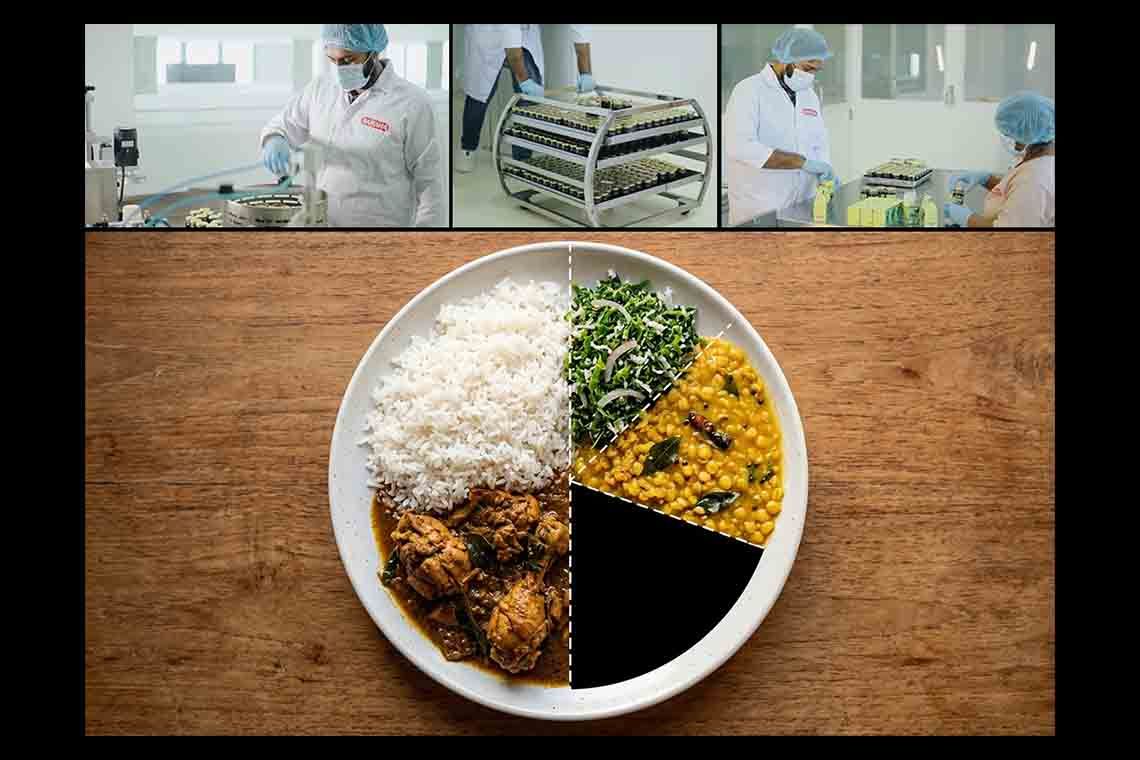
Yet while on paper our workforce is among the region's most capable, a 2024 study conducted among Sri Lankan office workers found that only 4.6% of them consumed a genuinely balanced diet.
The majority suffered from suboptimal intake - characterized by meal skipping and chronic micronutrient deficiency.
The result is widespread "presenteeism": workers who are physically present but operating at a fraction of their cognitive and physical capacity due to poor nutrition and low energy.
Poor nutrition is rarely analyzed from an economic lens, yet the evidence is clear.
A rice-heavy diet with limited intake of nutrient-dense foods has left many Sri Lankans vulnerable to deficiency across every income level and every district.
More than one-third of pregnant women suffer from deficiencies in vitamin D, iron, and zinc, while anaemia affects between 25% and 30% of them.
Among children under five, stunting rates hover between 14% and 21%.
Adults, meanwhile, grapple with obesity, diabetes, and hypertension at rates the health system was not designed to absorb.
In parallel, fast food consumption has surged, offering convenience while compounding the problem with empty calories and poor dietary quality.
According to the International Labour Organization, malnutrition and poor dietary habits can reduce workforce productivity by up to 20%.
For Sri Lanka, this stark fact carries with it a particular urgency.
Unlike India or Pakistan, which are entering a demographic dividend with large influxes of young workers, Sri Lanka's demographic dividend peaked in 2005. The workforce is ageing.
There is no tide of young labour to compensate for individual inefficiency — which means the health and nutritional status of every working Sri Lankan matters more.
Especially in a country where non-communicable diseases account for 83% of all deaths, the link between what the nation eats and how well it performs is becomes a structural issue that demands accessible, locally produced solutions.
You are what you eat : ancient wisdom validated by science
Civilisations across the globe have understood what modern science has since confirmed: certain foods possess extraordinary restorative properties.
In Asia, a traditional remedy has been used for centuries to combat fatigue, support recovery from illness, and nourish new mothers — concentrated essence of chicken.
The therapeutic properties of chicken broth were documented as far back as 12th century Egypt where it was prescribed it for respiratory ailments and convalescence.
Sri Lanka's own traditional medicine also emphasised the wisdom of using food therapeutically from herbal porridges (kola kanda) to specialised postpartum diets.
By the 19th century, this folk wisdom had found its way even into European kitchens: in 1835, a royal chef in England developed a concentrated chicken essence to support the health of an ailing king, before bringing it to market as a food for recovery and convalescence.
What began as a remedy for royalty would, within a century, become a staple across Asia.
Contemporary scientific research has validated what traditional healers long observed.
Chicken essence possesses demonstrable anti-inflammatory and antioxidant properties, and peer-reviewed clinical studies have linked its consumption to measurable improvements in cognitive performance.
A randomised double-blind trial published in 2016 found that regular consumption of Essence of Chicken significantly improved short-term memory in young workers under high work-related stress.
Separate studies have documented an increase alertness, logical thinking, and concentration.
Research has also shown that it helps the body regulate cortisol levels more efficiently after high-pressure events, reducing the risk of the chronic burnout that often follows sustained stress.
The mechanism behind these effects is increasingly well understood.
The primary bioactive compounds are Carnosine and Anserine — imidazole dipeptides that act as powerful antioxidants, protecting cells from oxidative stress and inflammation.
These are broken down during processing into peptides and amino acids that the body absorbs rapidly, delivering targeted nourishment with exceptional efficiency.
A single 40ml serving contains approximately 11 Kcal, yet delivers a protein hit that solid food cannot replicate in terms of absorption speed.
A Growing Market, a Persistent Gap
As Sri Lankans become increasingly health-conscious — a shift accelerated sharply by the pandemic and the economic pressures that followed — demand for functional foods and immunity-supporting products has risen significantly.
The Sri Lanka functional foods market is projected to sustain strong growth through 2031, reflecting a population actively seeking ways to protect their health amid mounting pressures on daily life.
Yet Sri Lankan consumers face a persistent frustration.
The chicken essence category has been dominated almost entirely by imported international brands, often carrying premium price points that place them out of reach for the average household.
What has been conspicuously absent is a locally produced option that marries international quality standards with genuine everyday affordability: a product calibrated for Sri Lankan nutritional needs without compromising on safety, efficacy, or price.
Advancing on Five Decades of Trust
It is this gap that Bairaha has sought to bridge with their latest value-added offering: Flemmings Essence of Chicken.
The product is a natural extension for a company that has spent fifty years transforming how Sri Lankans access quality nutrition.
When Bairaha Farms was founded in 1975, chicken was considered a luxury in Sri Lanka, accessible only to the affluent.
Over half a century — through war and peace, economic boom and crisis — the company has been instrumental in making chicken one of the most affordable and widely consumed sources of protein in the country.
Today, with 1,300 employees, operations across 17 locations, and a farm-to-fork supply chain that begins at grandparent breeding level, Bairaha applies that same democratising instinct to health supplementation.
Flemmings Essence of Chicken’s credentials are substantive.
Sourced directly from Bairaha's own farms, with traceability Bairaha chicken production carries FSSC 22000 certification.
It also holds HACCP, GMP and Halal certifications.
Its Dual Action Formula blends concentrated chicken essence with 10% vegetable extract for enhanced absorption.
The product is fat-free, cholesterol-free, and preservative-free, processed to eliminate the sodium and animal fats that make homemade versions unsuitable for those managing hypertension.
Each serving is packaged in a sterilised 40ml container — a format designed to fit everything from the hospital bedside to the briefcase, school bag, and the kitchen counter.
Professor Anil Gunathilake, Consultant Physician, is direct about its clinical value:
"Bairaha Flemmings Essence of Chicken shortens the duration of illness, augments patient recovery, boosts immunity, and improves memory and cognitive function in students.
It is particularly beneficial for elderly patients and lactating mothers, enhancing general well-being and milk flow."
Nourishment as a National Imperative
The significance of a locally produced, essence of chicken extends beyond any single product category.
Sri Lanka's nutrition crisis will not be resolved by awareness campaigns alone.
It requires affordable, accessible solutions that meet people where they are — in the demanding rhythms of daily life, on the budgets of ordinary households.
For a company with Bairaha's heritage, this new nutraceutical product would serve as a further extension on the company’s broader mission to provide all Sri Lanka’s with safe, and affordable access to superior quality nutrition.
The same institutional knowledge that brought affordable chicken protein to millions of Sri Lankan tables now brings a concentrated, science-backed nutritional supplement within reach — not as an imported luxury, but as an everyday staple.
Latest Posts










Video
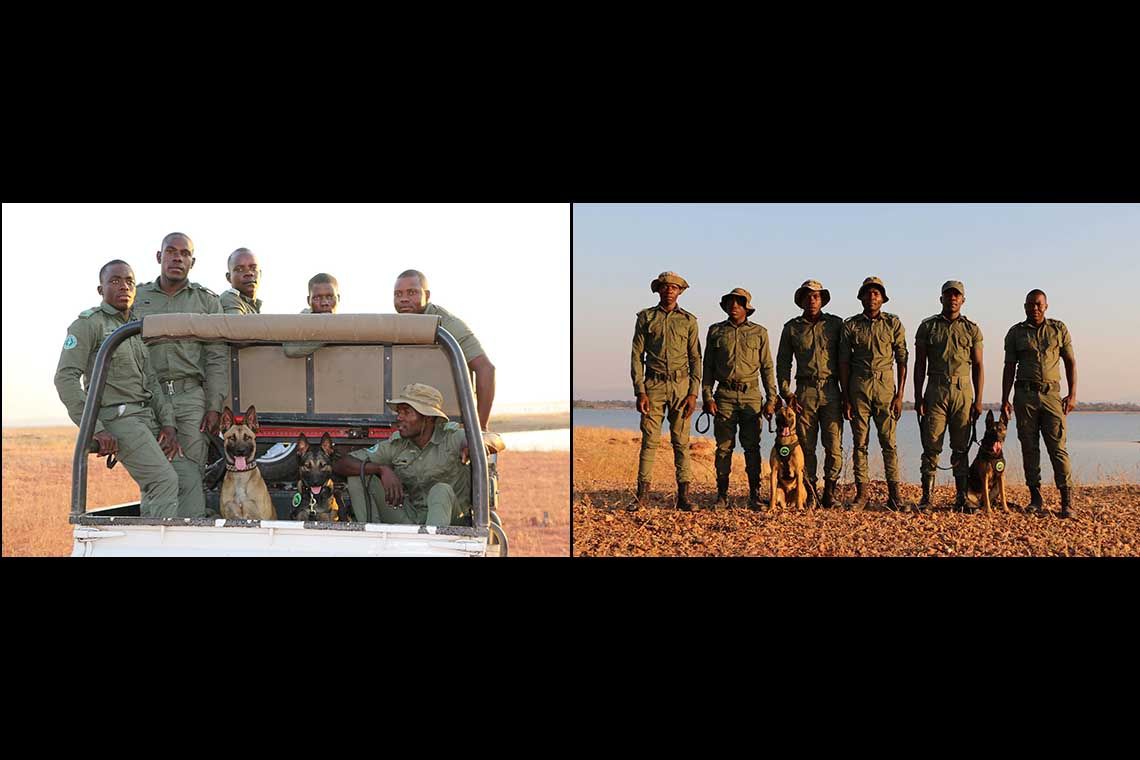
K9 unit flown by Emirates SkyCargo to Zimbabwe begins frontline operations
Vega and Kuda, two specialist conservation dogs, transported by Emirates SkyCargo from London to Harare via Dubai in partnership with UK charity Dogs 4 Wildlife, have arrived safely and acclimatise