
A Simple Urban Solution Can Help Save Birds During Extreme Heat
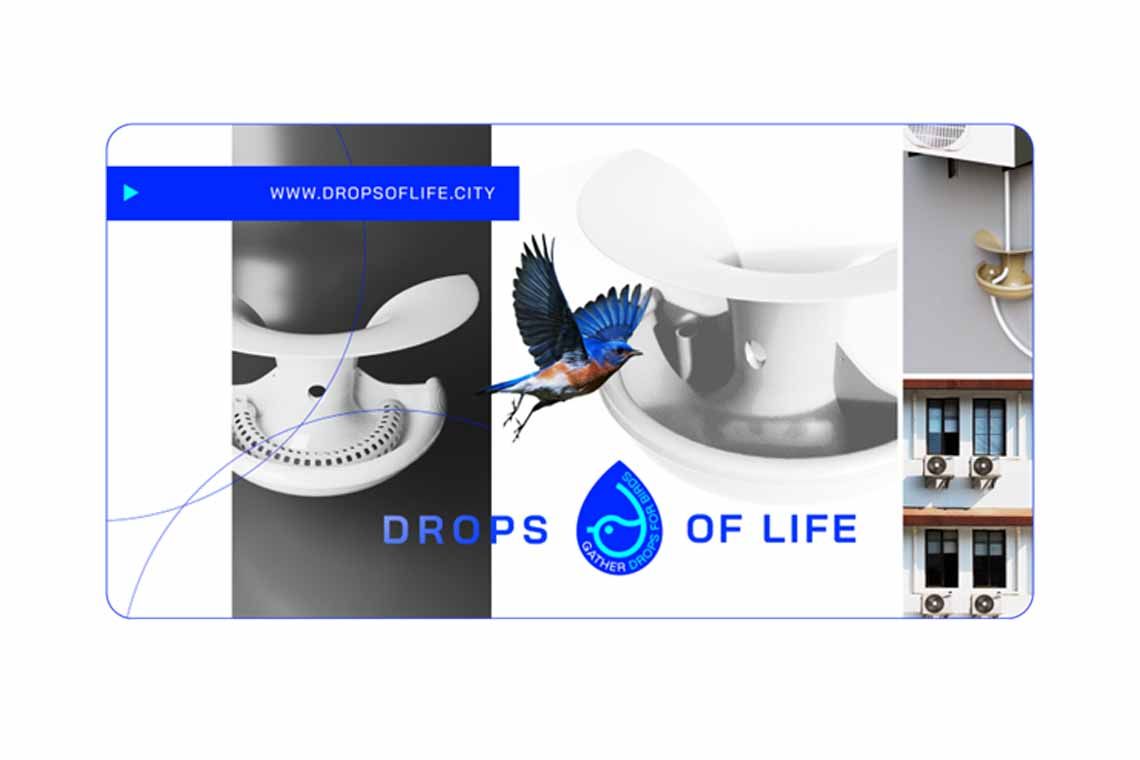
As cities around the world face rising temperatures and prolonged heatwaves, urban wildlife — especially birds — is increasingly at risk.
Dehydration and the lack of accessible water sources have become a silent but critical threat to city ecosystems.
Drops of Life, a new urban climate initiative, offers a simple and accessible solution that anyone can adopt.
The project introduces a small, easy to install urban water feeder that collects clean condensation water produced by air conditioners and redirects it into drinking points for birds and small animals.
Instead of dripping unused onto pavement, this water — already generated by millions of buildings every day — can be repurposed to support urban biodiversity during periods of extreme heat.
The key idea is simple: if a building has air conditioning, it already has a potential water source.
With a low cost feeder installed, homes, offices, cafés, schools, and residential buildings can help preserve bird populations and support city ecosystems without using additional municipal water.
Birds play a critical role in urban environments.
They regulate insect populations, disperse seeds, support pollination, and help maintain ecological balance.
When bird species disappear, cities lose these natural services, becoming less resilient to climate stress.
By ensuring access to water during heatwaves, Drops of Life helps protect this balance through small, repeatable actions that work at scale.
The solution has already proven adaptable across different urban and climate contexts, particularly in regions with hot climate, where air conditioning use is widespread and heat stress on wildlife is most intense.
Drops of Life is designed as an open and replicable initiative.
The water feeder can be produced locally, including via 3D printing, and installed without complex infrastructure changes.
The project encourages municipalities, businesses, and individuals to participate — showing how everyday urban infrastructure can become part of climate adaptation and nature positive action.
“Extreme heat is no longer an occasional challenge — it is a structural reality for cities worldwide,” the project team says.
“Drops of Life shows that meaningful ecological impact doesn’t always require complex technology.
Sometimes, the solution is already flowing above our heads.”
The initiative is open to cities, communities, environmental organizations, and media partners worldwide.
Latest Posts












Video
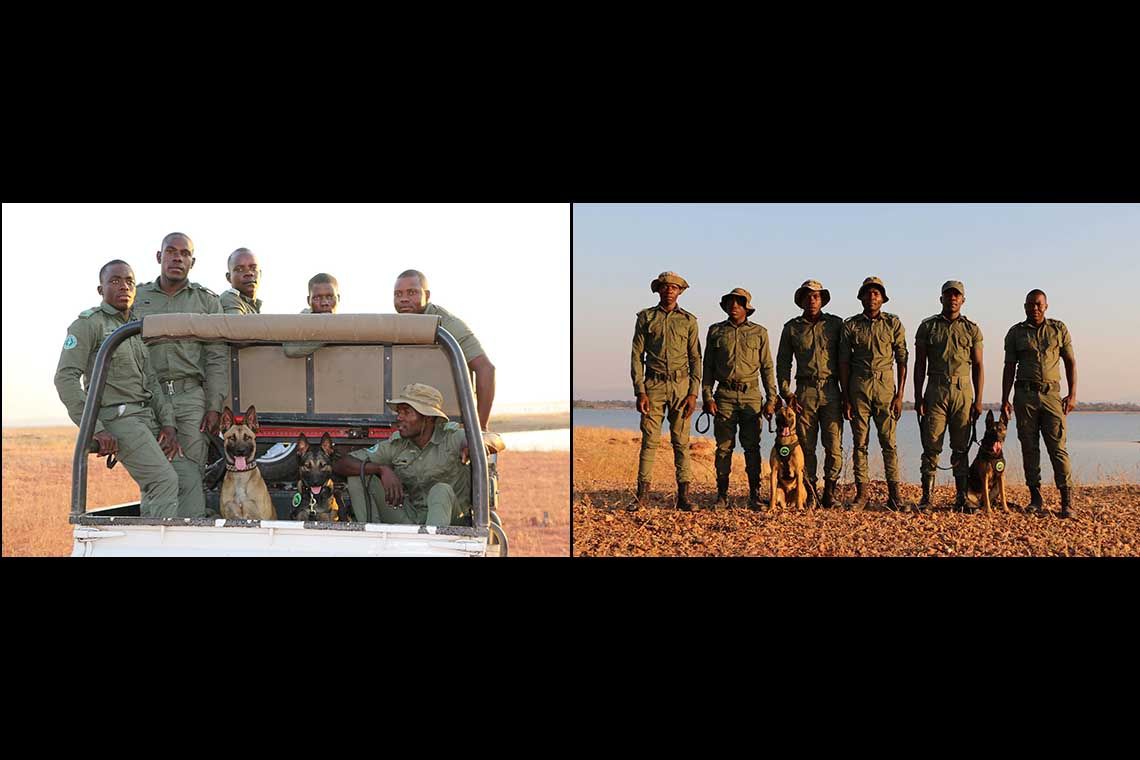
K9 unit flown by Emirates SkyCargo to Zimbabwe begins frontline operations
Vega and Kuda, two specialist conservation dogs, transported by Emirates SkyCargo from London to Harare via Dubai in partnership with UK charity Dogs 4 Wildlife, have arrived safely and acclimatise