
Palm Oil, Health and Nutrition - Separating Science from Perception in Sri Lanka
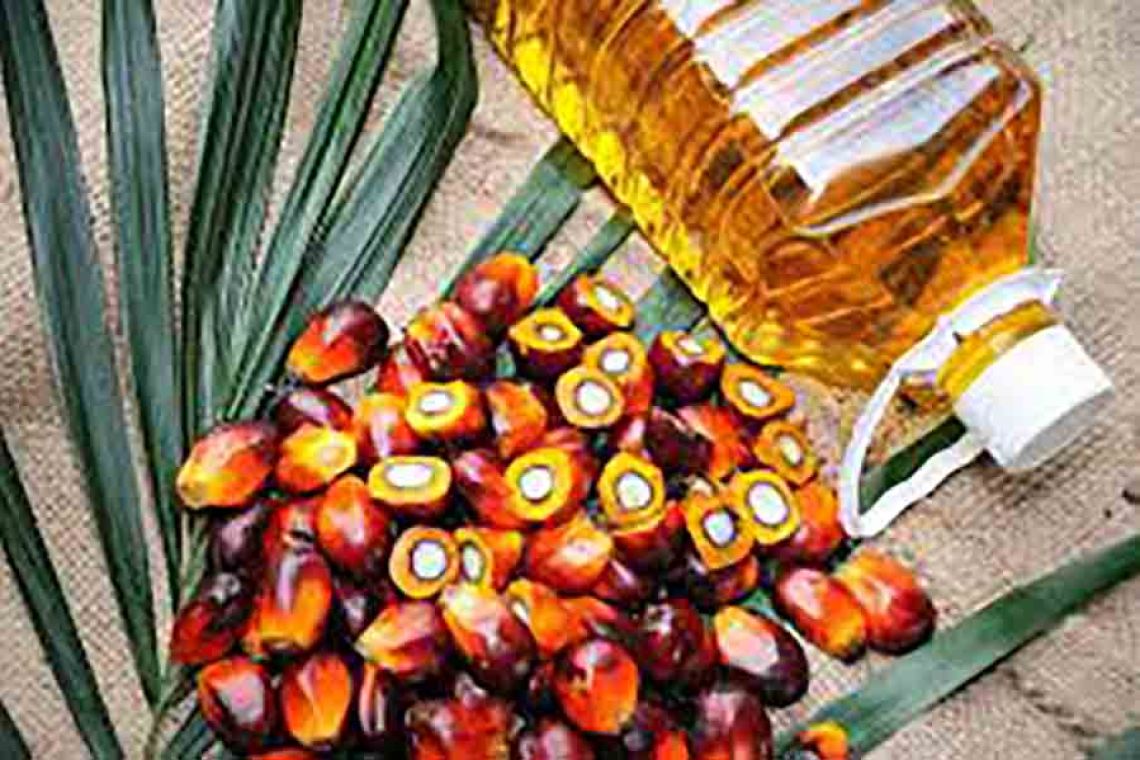
Palm oil has become one of the most debated edible oils in Sri Lanka, often surrounded by controversy, misinformation, and strong public perceptions.
While it is the world’s most widely consumed vegetable oil and a critical input in food and non-food industries, palm oil is frequently portrayed locally as unhealthy or even toxic.
A closer examination of scientific evidence, consumption patterns, and Sri Lanka’s food economy reveals a far more nuanced reality one that calls for evidence-based public discourse rather than emotion-driven conclusions.
A Global Staple with Exceptional Efficiency
Palm oil is extracted from the fruit of the oil palm (Elaeis guineensis) and is one of the most versatile oils in the global market.
It is used extensively as a cooking and frying oil and as a key ingredient in margarine, fat spreads, bakery products, confectionery, and processed foods.
Beyond food, palm oil is also a raw material for soaps, detergents, cosmetics, pharmaceuticals, and biofuels.
In total, oil palm-derived products contribute to nearly 100 different food ingredients and oleochemicals.
From a global agricultural perspective, oil palm is unmatched in efficiency.
It produces more oil per hectare than any other oil crop.
To produce one metric tonne of oil, oil palm requires approximately 0.27 hectares of land, compared to 2.63 hectares for soybean.
As a result, oil palm supplies nearly 40% of the world’s traded vegetable oil while occupying a far smaller land footprint than alternative oil crops.
Today, over three billion people, particularly in Asia consume palm oil regularly.
Understanding Palm Oil Fractions
Palm oil is refined and fractionated into palm olein (about 80%), which remains liquid at room temperature, and palm stearin (about 20%), which is solid. Palm olein is widely used as a cooking and frying oil, while palm stearin is used in margarine, shortenings, bakery fats, cocoa butter equivalents, and confectionery products.
Palm kernel oil, extracted from the seed of the fruit, is chemically distinct and resembles coconut oil due to its high lauric acid content.
This fractionation process allows palm oil to replace hydrogenated fats, reducing the need for trans fats in food manufacturing an important public health benefit that often goes unnoticed.
Palm Oil in the Sri Lankan Context
In Sri Lanka, palm oil is the second most widely used edible oil after coconut oil.
Despite this, palm oil faces strong public resistance.
Many consumers believe palm oil and palm-based fats are harmful or toxic, and some even assume imported milk powder is adulterated with palm fat.
These perceptions are largely unscientific and unsupported by evidence.
Ironically, palm oil imports have increased steadily over the past decade.
In 2019 alone, Sri Lanka imported nearly 220,000 metric tonnes of palm oil and fat.
Rising coconut prices, driven by limited supply and low oil yields, have made palm oil a cheaper and more accessible alternative.
Palm oil is consistently the lowest-priced edible oil in international markets.
Food manufacturers strongly prefer palm oil for its functional and safety properties.
Studies in Sri Lanka show that 95% of snack manufacturers and nearly 70% of French fry producers use palm oil due to its thermal stability and resistance to flavour deterioration during frying. Palm stearin currently meets most of the bakery and confectionery industry’s fat requirements.
Fatty Acid Composition and Nutrition
Health concerns around palm oil are often linked to its saturated fat content.
However, this argument fails to consider comparative composition.
Palm oil contains approximately 46% saturated fatty acids (SFA), 44% monounsaturated fatty acids (MUFA), and 10% polyunsaturated fatty acids (PUFA).
Coconut oil, by contrast, contains more than 90% saturated fat.
Scientific evidence accumulated over six decades confirms that excessive saturated fat intake increases cardiovascular risk.
However, not all saturated fats behave identically in the body.
Myristic acid abundant in coconut oil is known to raise cholesterol levels more aggressively than palmitic or stearic acid, the dominant saturated fats in palm oil.
Palm oil also contains substantial oleic acid (MUFA), which is associated with reductions in LDL cholesterol and improved lipid profiles.
Importantly, palm oil contains only trace amounts of linolenic acid, making it highly resistant to oxidation.
This stability reduces the formation of harmful compounds during repeated frying an advantage over highly unsaturated oils such as sunflower or soybean oil.
Trans Fats : A Hidden Advantage
One of palm oil’s major but underappreciated benefits is its resistance to trans fat formation.
Trans fats are generated during hydrogenation and repeated high-temperature cooking and are strongly linked to cardiovascular disease.
Because palm oil requires no hydrogenation and contains relatively low PUFA levels, trans fat formation is minimal even after repeated frying.
Sri Lankan studies show that trans fat levels in foods fried using palm oil remain well below international safety thresholds.
This is a critical public health consideration, especially given the World Health Organization’s recommendation to limit trans fat intake to less than 1% of daily energy intake.
Safety Concerns and Process-Induced Contaminants
Like all refined vegetable oils, palm oil may contain trace levels of process-induced contaminants such as 3-MCPD and glycidyl esters (GE), formed during high-temperature refining.
These compounds have shown toxic effects in animal studies, prompting regulatory limits in the European Union.
However, it is essential to place this risk in perspective.
Palm oil does not contain natural toxins such as aflatoxins, which are commonly found in copra-based coconut oil and are classified as Group 1 carcinogens.
In contrast, aflatoxin contamination remains a persistent food safety challenge in Sri Lanka.
Palm oil producers particularly in Malaysia have adopted advanced refining technologies to reduce 3 MCPD and GE levels to comply with stringent EU regulations.
While such technologies may increase costs, they demonstrate that palm oil safety risks are manageable through proper processing and regulation.
In Sri Lanka, most palm oil is imported in refined form, and locally refined crude palm oil is primarily used for non-food applications.
This significantly limits consumer exposure risks.
The Real Issue : Perception vs. Evidence
The widespread belief that palm oil is inherently toxic is not supported by scientific evidence.
On the contrary, palm oil offers a balanced fatty acid profile, high oxidative stability, low trans fat formation, and freedom from natural carcinogens such as aflatoxins.
Sri Lanka’s debate on palm oil should therefore shift from emotional narratives to science-based policy and consumer education.
With rising food costs, nutritional challenges, and pressure on domestic oil supplies, palm oil remains a practical and safe component of the national food system when properly regulated.
Conclusion
Palm oil plays a vital role in Sri Lanka’s food and manufacturing sectors.
From a nutritional standpoint, it provides a balanced mix of fatty acids and superior cooking stability compared to many alternatives.
While no edible oil is risk free, palm oil’s health and safety profile when assessed objectively compares favourably with other commonly used oils.
As Sri Lanka navigates food security, affordability, and public health challenges, evidence not perception must guide decisions.
Demonising palm oil without scientific justification risks undermining rational policy and informed consumer choice.
Latest Posts












Video

K9 unit flown by Emirates SkyCargo to Zimbabwe begins frontline operations
Vega and Kuda, two specialist conservation dogs, transported by Emirates SkyCargo from London to Harare via Dubai in partnership with UK charity Dogs 4 Wildlife, have arrived safely and acclimatise